


Welcome to our Church


Sunday Service 10.00am






Sunday Service :Every Sunday 10.00am - Taken By Rev. Hilary Beresford


Click the Facebook Icon
Please Note
Short temporary messages will be on Facebook
Please check Facebook - Methven and Logiealmond Church

Notices
Harvest Thanksgiving Service 11th October 2026
Communion Service 18th October 2026


Worship
HISTORY
WORSHIP
DIARY &
DUTY ROTAS
EVENTS
THE LINK
Services June 2026- June 2027
10.00am
Communion Services
The church has an Induction Loop system for those who are hard of
hearing .
A ramp is available on request to door duty people


A relaxed friendly, Bible based worship and praise time at which all ages all are
welcome whether regularly or occasionally or as visitors to the area. Afterwards all
welcome at tea / coffee fellowship time in the hall.
Worship
Services June 2026- June 2027
10.00am
A traditional service of hymns from various sources with occasional
choir introits and anthems as well as a sermon, Bible readings and
prayers. Children are welcome
After service care takes the form of Tea or Coffee served in the church
Communion Services
The church has an Induction Loop system for those who are hard of
hearing .
A ramp is available on request to door duty people


History
HISTORY
WORSHIP
DIARY &
DUTY ROTAS
CONTACT
EVENTS
THE LINK
ACTIVITIES
Methven Through the Ages
Village, Parish and People,
Notables, Roads and Churches
Castles
Neolithic
1433 - 1690
1693 - 1840
1843 - 1950
1951 - Present
Futher Information, illustrations and maps appear in:
"The Parish Church"
by the Rev. R. Fowler
"Methven Castle"
by the Very Rev. P. M. Smythe
"Historic Walk"
with maps

PRESBYTERY
History
Methven Through the Ages
Futher Information, illustrations and maps appear in:
"The Parish Church"
by the Rev. R. Fowler
"Methven Castle"
by the Very Rev. P. M. Smythe
"Historic Walk"
with maps
Presbytery News
HISTORY
WORSHIP
DIARY &
DUTY ROTAS
CONTACT
EVENTS
THE LINK
ACTIVITIES


PRESBYTERY
please visit our website https://perthpresbytery.org.uk/, where the Friday
Roundup Can be found on the homepage or the 'Weekly Newsletter' tab on the
top menu.
ALMONDBANK
WEBSITE
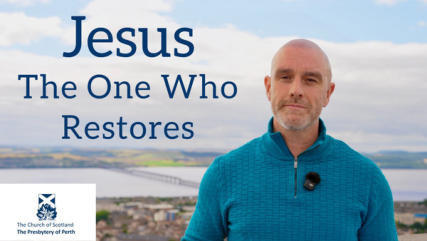
Jesus: The One Who Restores | Shared online worship | Presbytery of Perth
Dear all,
I'm delighted to share with you the first short episode of shared online worship and Prayer for the Presbytery of Perth
It is Jesus: The One Who Restores.
Click the link below:
https://youtu.be/uSCSmAB8nAg
This is a reflection on Jesus as the one who restores, drawing on the story of the locusts in Joel 2, with a word, worship
and prayer.
It is filmed in some of the beautiful places across our Presbytery, including with Rev Chris Barlas up at Dundee Law and
footage from Beinn a' Ghlo by Blair Atholl at sunrise
This series is part of an exploration of whether as a Presbytery, we could create and share missional online worship,
prayer and reflective resources.
I'd be so very grateful if you could spare me 14 minutes (I know that's a lot these days!) to watch this first episode. I
would also be very grateful if you could share it with your congregations and on your social media channels, if you feel
appropriate. This is because as the series develops, I'll be looking at engagement to help us understand whether this is
something people across Presbytery find valuable and would like to see more of (or not!!).
My hope is that this becomes something we can create together across Presbytery. The plan would be that each
episode will come from different places and churches, with a diversity of voices, music, worship traditions and
landscapes, reflecting the richness of who we are across Presbytery.
With huge thanks to Rev Chris Barlas from Craigowl Church in Dundee, Hazel Murch for her music, and Rev Gill Evans
for her voice - in helping to bring this first episode together and offering their time and talents!
With every blessing,
Karen
Karen Kelman
Communications Officer
Presbytery of Perth
KKelman@churchofscotland.org.uk


Contact Information
HISTORY
WORSHIP
DIARY &
DUTY ROTAS
CONTACT
EVENTS
THE LINK
ACTIVITIES
The MinisterMinister: Rev Hilary Beresford
Email:
Session Clerk: Catriona Graham
Email :
Location of Methven Church
(PH1 3PF)
Show in Google Maps
From Crieff:
Turn left on the A85 at The Bell Tree Inn and the Church will be directly in front.
From Perth:
Turn Right on the A85 at The Bell Tree Inn just after the Convenience Store on the
right.
Church will be directly in front.
Parking:
On street parking by the Church Hall or on Lynedoch Road is available
The Parish Manse is Located in Pitcairngreen
Find the Manse on Google Maps
From Almondbank follow the Bridgeton Road to Pitcairngreen and Go round the
green to the left.
Veer left passing the road to Moneydie on the right.
The Manse is approx 20metres on the right.


Contact Information
HISTORY
WORSHIP
DIARY &
DUTY ROTAS
CONTACT
The MinisterMinister: Rev Hilary Beresford
Email:
Session Clerk: Catriona Graham
Email :
Location of Methven Church
(PH1 3PF)
Show in Google Maps
From Crieff:
Turn left on the A85 at The Bell Tree Inn and the Church will be directly in front.
From Perth:
Turn Right on the A85 at The Bell Tree Inn just after the Convenience Store on the
right.
Church will be directly in front.
Parking:
On street parking by the Church Hall or on Lynedoch Road is available
The Parish Manse is Located in Pitcairngreen
Find the Manse on Google Maps
From Almondbank follow the Bridgeton Road to Pitcairngreen and Go round the
green to the left.
Veer left passing the road to Moneydie on the right.
The Manse is approx 20metres on the right.


The Link
HISTORY
WORSHIP
DIARY &
DUTY ROTAS
CONTACT

The Link is the Methven Church Newsletter
It is published quarterly in March, June, September and December
Articles for the Link should be submitter to the Session Clerk until an Editor is appointed
You may download the current issue of the link here


Parish Profile
HISTORY
WORSHIP
DIARY &
DUTY ROTAS
CONTACT
EVENTS
THE LINK
ACTIVITIES

Our churches are at the heart of the Parishes both physically and spiritually.
We are seeking a minister to lead and nurture the congregations and help
us develop our outreach within the Communities

Almondbank Tibbermore linked with Methven & Logiealmond Church of Scotland

Location
The
four
parishes
are
situated
in
the
heart
of
the
highly
sought
after
County
of
Perthshire.
The
City
of
Perth,
being
fifteen
minutes
from
the
Manse,
has
a
Theatre,
Concert
Hall,
two
Retail
Parks
and
a
good
variety
of
speciality
shops.
There
is
a
good
selection
of
Hotels
and
Restaurants.
The
City
and
surrounding area has excellent sporting facilities for all ages.
Introduction
St
Serf’s
Church
in
Almondbank
was
built
in
1905
for
a
united
free
congregation.
Then
in
1929
the
reunion
between
established
and
free
churches
brought
St
Serf’s
into
the
Church
of
Scotland
where
it
was
given
full
parish
status
after
World
War
II.
In
1977
St
Serf’s
Parish
Church
was
united
with
Tibbermore Parish Church to become Almondbank Tibbermore Parish Church.
The
origins
of
the
present
church
in
Methven
go
back
to
the
Collegiate
Church
founded
in
1433.
The
Church
was
modernised
in
the
late
18th
century
and
consecrated
in
1783.
In
1826
the
Lynedoch
Aisle
was
added
along
with
the
steeple
(built
by
public
subscription)
Methven
united
with
Logiealmond
Parish Church in 1995 to become Methven and Logiealmond Parish Church.
In
2007
the
two
congregations
at
Almondbank
Tibbermore
and
Methven
Logiealmond
were
formally
linked. Additional history can be found on the two Churches’ websites.
Governance
Almondbank
Tibbermore
Church
is
administered
in
accordance
with
the
terms
of
the
Deed
of
Constitution
with
members
of
the
Kirk
Session
and
Congregational
Board
as
the
charity
trustees.
There are currently 16 elders and 13 board members.
Since
2008
Methven
and
Logiealmond
has
been
governed
by
a
unitary
constitution
with
a
business
committee.
There
are
four
specialised
committees
consisting
of
Worship,
Fabric
and
Finance,
Caring
for Others and Communication.
Both
sessions
are
forward
thinking
and
open
to
new
ideas.
Elders
assist
with
pastoral
duties,
visiting
communicants in allocated districts.

PRESBYTERY
Parish Profile
HISTORY
WORSHIP
DIARY &
DUTY ROTAS
CONTACT
Our churches are at the heart of the Parishes both physically and spiritually.
We are seeking a minister to lead and nurture the congregations and help
us develop our outreach within the Communities
Almondbank Tibbermore linked with Methven & Logiealmond Church of Scotland
Location
The
four
parishes
are
situated
in
the
heart
of
the
highly
sought
after
County
of
Perthshire.
The
City
of
Perth,
being
fifteen
minutes
from
the
Manse,
has
a
Theatre,
Concert
Hall,
two
Retail
Parks
and
a
good
variety
of
speciality
shops.
There
is
a
good
selection
of
Hotels
and
Restaurants.
The
City
and
surrounding area has excellent sporting facilities for all ages.
Introduction
St
Serf’s
Church
in
Almondbank
was
built
in
1905
for
a
united
free
congregation.
Then
in
1929
the
reunion
between
established
and
free
churches
brought
St
Serf’s
into
the
Church
of
Scotland
where
it
was
given
full
parish
status
after
World
War
II.
In
1977
St
Serf’s
Parish
Church
was
united
with
Tibbermore Parish Church to become Almondbank Tibbermore Parish Church.
The
origins
of
the
present
church
in
Methven
go
back
to
the
Collegiate
Church
founded
in
1433.
The
Church
was
modernised
in
the
late
18th
century
and
consecrated
in
1783.
In
1826
the
Lynedoch
Aisle
was
added
along
with
the
steeple
(built
by
public
subscription)
Methven
united
with
Logiealmond
Parish Church in 1995 to become Methven and Logiealmond Parish Church.
In
2007
the
two
congregations
at
Almondbank
Tibbermore
and
Methven
Logiealmond
were
formally
linked. Additional history can be found on the two Churches’ websites.
Governance
Almondbank
Tibbermore
Church
is
administered
in
accordance
with
the
terms
of
the
Deed
of
Constitution
with
members
of
the
Kirk
Session
and
Congregational
Board
as
the
charity
trustees.
There are currently 16 elders and 13 board members.
Since
2008
Methven
and
Logiealmond
has
been
governed
by
a
unitary
constitution
with
a
business
committee.
There
are
four
specialised
committees
consisting
of
Worship,
Fabric
and
Finance,
Caring
for Others and Communication.
Both
sessions
are
forward
thinking
and
open
to
new
ideas.
Elders
assist
with
pastoral
duties,
visiting
communicants in allocated districts.
Parish Profile
HISTORY
WORSHIP
DIARY &
DUTY ROTAS
CONTACT
EVENTS
THE LINK
ACTIVITIES

Our Worship
Both
churches
use
CH4
and
the
Good
News
Bible.
Volunteers
take
the
readings
and
in
addition,
many
members
are
willing
to
share
their
talents
by
participating
in
a
variety
of
ways
in
worship.
An
Elders
led
service
is
held
annually
in
both
churches.
Regular
prayer
meetings
are
held
after
the
services
fortnightly.
Weekly
attendance
averages
50
in
Almondbank
and
35
in
Methven
with
the
numbers
increasing
for
Communion.
Services
are
alternated
annually
in
June
at
10.00am
and
11.30am,
but
both
churches
have
chosen
different times for special occasions in the Christian calendar.
Joint services take place on the last Sunday of the month during the Summer, alternating monthly.
Both
churches
have
an
induction
loop
and
microphone
system.
Almondbank
Tibbermore
Church
has
an
LCD
projector
system
which
provides
the
opportunity
for
more
visual
input
to
services
and
also
to
have the hymns projected onto the screen.
Sunday
School
life
in
both
parishes
is
blessed
with
enthusiastic
staff
and
parental
support,
but
has
sadly
declined
over
the
last
9
years
and
there
is
an
opportunity
for
the
correct
minister
to
reverse
this
trend and to re-introduce informal family services to both congregations.
Methven
and
Logiealmond
Parish
Church
has
an
active
Sunday
School.
The
age
group
is
3
–
12.
In
recent
years
the
number
of
children
attending
fluctuates
between
7
–
15.
It
has
been
run
for
a
number
of
years
by
two
enthusiastic
leaders
who
are
committed
to
teaching
the
children
the
Gospel
with
the
encouragement
and
support
of
the
Minister
and
the
Congregation.
Crafts,
skits
and
singing
take
up
most
of
the
lesson.
The
Sunday
School
is
present
in
the
Church
for
the
first
two
hymns,
prayer,
reading
and
the
children’s
address
/
all
age
talk
from
the
Minister.
An
important
part
of
the
children’s
learning
is
to
occasionally
participate
in
the
Church
service,
individually
or
as
a
group,
taking
a
reading,
performing
a
skit
or
singing.
The
past
five
years
have
seen
the
Sunday
school
children
perform
the
most fantastic singing based nativities with as little as 8 children.


PRESBYTERY
Parish Profile
HISTORY
WORSHIP
DIARY &
DUTY ROTAS
CONTACT
Our Worship
Both
churches
use
CH4
and
the
Good
News
Bible.
Volunteers
take
the
readings
and
in
addition,
many
members
are
willing
to
share
their
talents
by
participating
in
a
variety
of
ways
in
worship.
An
Elders
led
service
is
held
annually
in
both
churches.
Regular
prayer
meetings
are
held
after
the
services
fortnightly.
Weekly
attendance
averages
50
in
Almondbank
and
35
in
Methven
with
the
numbers
increasing
for
Communion.
Services
are
alternated
annually
in
June
at
10.00am
and
11.30am,
but
both
churches
have
chosen
different times for special occasions in the Christian calendar.
Joint services take place on the last Sunday of the month during the Summer, alternating monthly.
Both
churches
have
an
induction
loop
and
microphone
system.
Almondbank
Tibbermore
Church
has
an
LCD
projector
system
which
provides
the
opportunity
for
more
visual
input
to
services
and
also
to
have the hymns projected onto the screen.
Sunday
School
life
in
both
parishes
is
blessed
with
enthusiastic
staff
and
parental
support,
but
has
sadly
declined
over
the
last
9
years
and
there
is
an
opportunity
for
the
correct
minister
to
reverse
this
trend and to re-introduce informal family services to both congregations.
Methven
and
Logiealmond
Parish
Church
has
an
active
Sunday
School.
The
age
group
is
3
–
12.
In
recent
years
the
number
of
children
attending
fluctuates
between
7
–
15.
It
has
been
run
for
a
number
of
years
by
two
enthusiastic
leaders
who
are
committed
to
teaching
the
children
the
Gospel
with
the
encouragement
and
support
of
the
Minister
and
the
Congregation.
Crafts,
skits
and
singing
take
up
most
of
the
lesson.
The
Sunday
School
is
present
in
the
Church
for
the
first
two
hymns,
prayer,
reading
and
the
children’s
address
/
all
age
talk
from
the
Minister.
An
important
part
of
the
children’s
learning
is
to
occasionally
participate
in
the
Church
service,
individually
or
as
a
group,
taking
a
reading,
performing
a
skit
or
singing.
The
past
five
years
have
seen
the
Sunday
school
children
perform
the
most fantastic singing based nativities with as little as 8 children.
Parish Profile
HISTORY
WORSHIP
DIARY &
DUTY ROTAS
CONTACT
EVENTS
THE LINK
ACTIVITIES


Church and Community Outreach
Almondbank Tibbermore
The
replacement
of
the
pews
in
the
church
with
removable
chairs
several
years
ago
enables
the
building
to
be
utilised
for
various
events
organised
not
only
by
the
congregation,
but
also
the wider community.
The
Ladies
Group
[a
member
group
of
the
Church
of
Scotland
Guild]
attracts
25
members
meeting
on
the
first
Thursday
evening
from
October
to
May.
Their
programme
follows
national
guidelines
and
appeals
to
the
range
of
ages
which
attend.
Their
annual
summer
trip
is
open
to
others
in
the
wider
community.
There
is
a
Craft
Group
which
meets
on
a
Monday
afternoon
and
the
Wee
Blether meets on a Thursday morning.
Social
events
include
theatre
trips
and
a
Christmas
meal
all
of
which
are
attended by members from Methven Logiealmond and the wider community.
Annually,
both
a
Summer
Fete
and
Christmas
Fayre
are
held
which
are
well
supported by the local community and boost Church funds.
A
soup
lunch
is
organised
yearly
in
support
of
Christian
Aid
and
held
in
Almondbank Tibbermore, assisted by members from Methven Logiealmond.
Occasional
Flower
Festivals,
concerts,
ceilidhs
and
harvest
suppers
are
held
and
are
well
attended
by
local
residents
and
the
wider
community.
Other
fundraising
events
are
held
both
for
Church
funds
and
other
charitable
organisations.
Rainbows
and
Brownies
use
the
Church
facilities
for
their
weekly
meetings.
Thinking Day and dedication service are held annually.
A
Parish
Magazine
(The
Bridge)
is
published
twice
a
year
and
distributed
to
all
church members.


PRESBYTERY
Parish Profile
HISTORY
WORSHIP
DIARY &
DUTY ROTAS
CONTACT
Church and Community Outreach
Almondbank Tibbermore
25
members
meeting
on
the
first
Thursday
evening
from
October
to
May.
Their
programme
follows
national
guidelines
and
appeals
to
the
range
of
ages
which
attend.
Their
annual
summer
trip
is
open
to
others
in
the
wider
community.
There
is
a
Craft
Group
which
meets
on
a
Monday
afternoon
and
the
Wee
Blether meets on a Thursday morning.
Social
events
include
theatre
trips
and
a
Christmas
meal
all
of
which
are
attended by members from Methven Logiealmond and the wider community.
Annually,
both
a
Summer
Fete
and
Christmas
Fayre
are
held
which
are
well
supported by the local community and boost Church funds.
A
soup
lunch
is
organised
yearly
in
support
of
Christian
Aid
and
held
in
Almondbank Tibbermore, assisted by members from Methven Logiealmond.
Occasional
Flower
Festivals,
concerts,
ceilidhs
and
harvest
suppers
are
held
and
are
well
attended
by
local
residents
and
the
wider
community.
Other
fundraising
events
are
held
both
for
Church
funds
and
other
charitable
organisations.
Rainbows
and
Brownies
use
the
Church
facilities
for
their
weekly
meetings.
Thinking Day and dedication service are held annually.
A
Parish
Magazine
(The
Bridge)
is
published
twice
a
year
and
distributed
to
all
church members.
Parish Profile
HISTORY
WORSHIP
DIARY &
DUTY ROTAS
CONTACT
EVENTS
THE LINK
ACTIVITIES


Church and Community Outreach
Methven Logiealmond
Methven
Community
Outreach
in
latter
years
has
not
been
very
successful
having
lost
its
Women’s
Guild.
This
was
due
to
the
lack
of
members
willing
to
rotate the office bearing roles.
There
has
also
been
a
lack
of
social
events
connected
to
the
Church
recently.
However,
with
a
more
open
arms
attitude
to
the
local
community
and
some
encouragement this trend could be reversed.
The
Friendship
Club
meets
in
the
Church
hall
each
month
from
March
to
December
and
is
well
attended
by
a
very
appreciative
membership.
Organised outings are arranged during the summer months.
A Summer Holiday Club for children, run by volunteers, is well supported.
A
Parish
Magazine
(The
Link)
is
published
quarterly
and
includes
all
church
reports and duty rotas, as well as any relevant local information.
Schools
There
are
4
primary
schools
covering
the
area,
with
senior
pupils
attending
Perth Grammar School.
Pitcairn Primary School in Almondbank has a roll of 80.
Ruthvenfield Primary School has a roll of 61 pupils.
Methven Primary School has a roll of 120.
Logiealmond
Primary
School,
with
a
roll
of
12,
is
situated
near
to
the
hamlet of Harrietfield.
Ministers
have
regular
weekly
input
to
the
4
primary
school
assemblies
as
part of their school curriculum.


PRESBYTERY
Parish Profile
HISTORY
WORSHIP
DIARY &
DUTY ROTAS
CONTACT
Church and Community Outreach
Methven Logiealmond
Methven
Community
Outreach
in
latter
years
has
not
been
very
successful
having
lost
its
Women’s
Guild.
This
was
due
to
the
lack
of
members
willing
to
rotate the office bearing roles.
There
has
also
been
a
lack
of
social
events
connected
to
the
Church
recently.
However,
with
a
more
open
arms
attitude
to
the
local
community
and
some
encouragement this trend could be reversed.
The
Friendship
Club
meets
in
the
Church
hall
each
month
from
March
to
December
and
is
well
attended
by
a
very
appreciative
membership.
Organised outings are arranged during the summer months.
A Summer Holiday Club for children, run by volunteers, is well supported.
A
Parish
Magazine
(The
Link)
is
published
quarterly
and
includes
all
church
reports and duty rotas, as well as any relevant local information.
Schools
There
are
4
primary
schools
covering
the
area,
with
senior
pupils
attending
Perth Grammar School.
Pitcairn Primary School in Almondbank has a roll of 80.
Ruthvenfield Primary School has a roll of 61 pupils.
Methven Primary School has a roll of 120.
Logiealmond
Primary
School,
with
a
roll
of
12,
is
situated
near
to
the
hamlet of Harrietfield.
Ministers
have
regular
weekly
input
to
the
4
primary
school
assemblies
as
part of their school curriculum.
Parish Profile
HISTORY
WORSHIP
DIARY &
DUTY ROTAS
CONTACT
EVENTS
THE LINK
ACTIVITIES


Our Communities and Amenities
ALMONDBANK
:
One
of
the
major
employers
within
Perth
and
Kinross
is
Vector
Aerospace,
situated
in
Almondbank.
A
small
industrial
estate
at
nearby
Lochty
houses
around
15
units
and
adjacent
to
this
lies
a
thriving
Honeypot
children’s nursery.
The
historic
Huntingtower
Castle
[National
Trust]
and
Huntingtower
Hotel,
both
lie
in
the
parish
of
Almondbank
Tibbermore
and
cater
for
a
large
number
of
weddings
and
tourists.
Also
nearby
is
Dobbies
Garden
Centre
and
a
Travelodge
with
adjacent
Glover
Arms
restaurant.
A
considerable
portion
of
the
parish
is
given
over
to
agriculture,
however
a
large
housing
development
and
new
secondary
school
are
now
underway
at
Bertha
Park.
3,000
houses
are
scheduled
to
be
completed
over
the
next
ten
years.
A
further
housing
development
is
due
to
commence
on
the
site
of
the
old
Perth
Mart
adjacent
to Dobbies Garden Centre.
The
cricket/football
pitch
on
the
banks
of
the
River
Almond
has
been
used
regularly
by
local
football
teams.
However,
due
to
flood
prevention
works
this
facility
is
currently
unavailable.
The
work
is
scheduled
to
be
completed
by
the
end
of
2018
and
will
include a new sports pavilion.
Almondvalley
Bowling
Club,
situated
next
to
the
cricket/football
pitch,
celebrated
its
centenary
in
1987and
is
still
a
thriving
and
well
supported
club.
Their clubhouse is made available for functions from time to time.
There
is
a
sub
post
office
and
local
store
located
within the village.
Pitcairngreen:
The
Church
Manse
is
located
here.
There
are
village
greens
and
a
hall,
managed
by
a
Village
Association,
where
a
variety
of
local
events
are
held
including
music
festivals
and
community
barbeques. There is also a popular village Inn with a restaurant.
West
Huntingtower:
The
Bield
Christian
Centre
is
situated
at
Blackruthven
which
lies
half
a
mile
from
the
A85.
There
is
a
veterinary
hospital
situated
on
the approach to West Huntingtower.
Tibbermore:
This
is
a
linear
village.
Tibbermore
Parish
Church
was
acquired
by
the
Scottish
Redundant
Churches
Trust
in
2001
to
prevent
it
from
falling
into
decay.
The
church
was
recently
used
as
part
of
the
film
set
for
the
television
programme
Outlander.
Gloagburn
Farm,
within
the
village,
has
a
thriving farm shop and restaurant.


PRESBYTERY
Parish Profile
HISTORY
WORSHIP
DIARY &
DUTY ROTAS
CONTACT
Our Communities and Amenities
ALMONDBANK
:
One
of
the
major
employers
within
Perth
and
Kinross
is
Vector
Aerospace,
situated
in
Almondbank.
A
small
industrial
estate
at
nearby
Lochty
houses
around
15
units
and
adjacent
to
this
lies
a
thriving
Honeypot
children’s nursery.
The
historic
Huntingtower
Castle
[National
Trust]
and
Huntingtower
Hotel,
both
lie
in
the
parish
of
Almondbank
Tibbermore
and
cater
for
a
large
number
of
weddings
and
tourists.
Also
nearby
is
Dobbies
Garden
Centre
and
a
Travelodge
with
adjacent
Glover
Arms
restaurant.
A
considerable
portion
of
the
parish
is
given
over
to
agriculture,
however
a
large
housing
development
and
new
secondary
school
are
now
underway
at
Bertha
Park.
3,000
houses
are
scheduled
to
be
completed
over
the
next
ten
years.
A
further
housing
development
is
due
to
commence
on
the
site
of
the
old
Perth
Mart
adjacent
to Dobbies Garden Centre.
The
cricket/football
pitch
on
the
banks
of
the
River
Almond
has
been
used
regularly
by
local
football
teams.
However,
due
to
flood
prevention
works
this
facility
is
currently
unavailable.
The
work
is
scheduled
to
be
completed
by
the
end
of
2018
and
will
include a new sports pavilion.
Almondvalley
Bowling
Club,
situated
next
to
the
cricket/football
pitch,
celebrated
its
centenary
in
1987and
is
still
a
thriving
and
well
supported
club.
Their clubhouse is made available for functions from time to time.
There
is
a
sub
post
office
and
local
store
located
within the village.
Pitcairngreen:
The
Church
Manse
is
located
here.
There
are
village
greens
and
a
hall,
managed
by
a
Village
Association,
where
a
variety
of
local
events
are
held
including
music
festivals
and
community
barbeques. There is also a popular village Inn with a restaurant.
West
Huntingtower:
The
Bield
Christian
Centre
is
situated
at
Blackruthven
which
lies
half
a
mile
from
the
A85.
There
is
a
veterinary
hospital
situated
on
the approach to West Huntingtower.
Tibbermore:
This
is
a
linear
village.
Tibbermore
Parish
Church
was
acquired
by
the
Scottish
Redundant
Churches
Trust
in
2001
to
prevent
it
from
falling
into
decay.
The
church
was
recently
used
as
part
of
the
film
set
for
the
television
programme
Outlander.
Gloagburn
Farm,
within
the
village,
has
a
thriving farm shop and restaurant.
Parish Profile
HISTORY
WORSHIP
DIARY &
DUTY ROTAS
CONTACT
EVENTS
THE LINK
ACTIVITIES


METHVEN: A growing community with new houses being built and plans for more
to come. It is surrounded by farm land and has a timber business. There is light
industry and an area designated for further industrial use. There is a kitchen and
bathroom showroom, three garages and is very well served with facilities on the
main street which include a busy Post Office / General Store, Chemist, Coffee Shop
and Convenience Store. A restaurant / bar, Fish and Chip Shop, Indian Restaurant
along with a part-time Doctor’s Surgery are located within the village.
There is a thriving bowling green and a community centre used for badminton,
other village activities and meetings. The park is managed by a park committee
and has tennis courts, football pitches and a play park area. The annual Methven
Gala Day is held there.
There are two independent secondary schools in the area – Morrison’s Academy in
Crieff and Glenalmond College situated 4 miles north of the village.
A children’s nursery is housed within the local authority primary school buildings.
Logiealmond: is an upland farming and residential area.
Harrietfield: This is a hamlet in the centre of the Logiealmond district where the
former Logiealmond Church is situated.
Chapelhill: Situated further east, has a village hall providing activities including
indoor bowling, dancing and concerts. The local Scottish Women’s Institute also
use the hall for their monthly meetings. Chapelhill Inn is close by and is a very
popular licensed restaurant


Surrounding agricultural area
Harrietfield and Logiealmond
PRESBYTERY
Parish Profile
HISTORY
WORSHIP
DIARY &
DUTY ROTAS
CONTACT
METHVEN: A growing community with new houses being built and plans for more
to come. It is surrounded by farm land and has a timber business. There is light
industry and an area designated for further industrial use. There is a kitchen and
bathroom showroom, three garages and is very well served with facilities on the
main street which include a busy Post Office / General Store, Chemist, Coffee Shop
and Convenience Store. A restaurant / bar, Fish and Chip Shop, Indian Restaurant
along with a part-time Doctor’s Surgery are located within the village.
There is a thriving bowling green and a community centre used for badminton,
other village activities and meetings. The park is managed by a park committee
and has tennis courts, football pitches and a play park area. The annual Methven
Gala Day is held there.
There are two independent secondary schools in the area – Morrison’s Academy in
Crieff and Glenalmond College situated 4 miles north of the village.
A children’s nursery is housed within the local authority primary school buildings.
Logiealmond: is an upland farming and residential area.
Harrietfield: This is a hamlet in the centre of the Logiealmond district where the
former Logiealmond Church is situated.
Chapelhill: Situated further east, has a village hall providing activities including
indoor bowling, dancing and concerts. The local Scottish Women’s Institute also
use the hall for their monthly meetings. Chapelhill Inn is close by and is a very
popular licensed restaurant
Surrounding agricultural area
HISTORY
WORSHIP
DIARY &
DUTY ROTAS
CONTACT
EVENTS
THE LINK
ACTIVITIES
Our Resources
Almondbank
owns
a
Church,
a
Church
Hall
incorporated
within
the
Church
and a Manse.
Methven
has
a
Church
with
a
separate
Church
Hall.
With
funds
held
in
121
George
Street,
Edinburgh,
there
is
a
feeling
in
the
community
that
money
could
be
spent
on
one
or
the
other
of
the
buildings
to
try
to
create
a
more
multi-functional building.
The
Manse,
situated
in
Pitcairngreen,
is
a
bungalow
built
circa
1980
and
consists
of
a
large
lounge
/
dining
area,
master
bedroom
with
ensuite,
3
further
bedrooms,
family
bathroom,
kitchen,
utility
room
and
study/office.
There is a well-established garden, garage and large parking facilities.
Almondbank
Tibbermore
Church
is
financially
sound
and
able
to
fulfil
all
obligations.
In
addition,
local
and
national
charities
are
supported
throughout the year.
Finances
in
Methven
on
a
day-to-day
basis
have
not
added
up
for
two
or
three
years
now,
but
there
is
a
feeling
that
this
can
be
overcome
with
some
inspiration
and
effort
from
all
involved.
A
Ceilidh
is
currently
being
organised
with all proceeds going towards Church funds.
Our Vision and Aims
youth work in both villages, liaising with community workers.
increase the number of children attending Sunday School.
revitalise
the
church
in
Methven
and
Logiealmond
while
maintaining
the
impetus in Almondbank Tibbermore.
to
see
a
ministry
shared
both
with
local
talent
and
outreach
to
neighbouring parishes.
to
build
a
more
honest
and
open
relationship
with
effective
communication between the linked churches.
to
see
our
Churches
becoming
a
mix
of
all
ages
working
together
and
developing spiritually.


PRESBYTERY
HISTORY
WORSHIP
DIARY &
DUTY ROTAS
CONTACT
Our Resources
Almondbank
owns
a
Church,
a
Church
Hall
incorporated
within
the
Church
and a Manse.
Methven
has
a
Church
with
a
separate
Church
Hall.
With
funds
held
in
121
George
Street,
Edinburgh,
there
is
a
feeling
in
the
community
that
money
could
be
spent
on
one
or
the
other
of
the
buildings
to
try
to
create
a
more
multi-functional building.
The
Manse,
situated
in
Pitcairngreen,
is
a
bungalow
built
circa
1980
and
consists
of
a
large
lounge
/
dining
area,
master
bedroom
with
ensuite,
3
further
bedrooms,
family
bathroom,
kitchen,
utility
room
and
study/office.
There is a well-established garden, garage and large parking facilities.
Almondbank
Tibbermore
Church
is
financially
sound
and
able
to
fulfil
all
obligations.
In
addition,
local
and
national
charities
are
supported
throughout the year.
Finances
in
Methven
on
a
day-to-day
basis
have
not
added
up
for
two
or
three
years
now,
but
there
is
a
feeling
that
this
can
be
overcome
with
some
inspiration
and
effort
from
all
involved.
A
Ceilidh
is
currently
being
organised
with all proceeds going towards Church funds.
Our Vision and Aims
youth work in both villages, liaising with community workers.
increase the number of children attending Sunday School.
revitalise
the
church
in
Methven
and
Logiealmond
while
maintaining
the
impetus in Almondbank Tibbermore.
to
see
a
ministry
shared
both
with
local
talent
and
outreach
to
neighbouring parishes.
to
build
a
more
honest
and
open
relationship
with
effective
communication between the linked churches.
to
see
our
Churches
becoming
a
mix
of
all
ages
working
together
and
developing spiritually.
HISTORY
WORSHIP
DIARY &
DUTY ROTAS
CONTACT
EVENTS
THE LINK
ACTIVITIES
Our Future
We are looking for a Minister who:
has the ability to lead worship which transforms and uplifts the
congregation through words and music.
has experience in the workplace outside the church
values the countryside community life
will take an active interest in church and village activities
We feel it is essential that a Minister would:
lead worship (utilising a variety of styles) at two services each Sunday
be involved in the local community and schools
foster the development of the church with children of all ages
continue to encourage the prayer life of the congregation
provide, along with elders and others the appropriate pastoral support to
all in the parish
be realistic with goals and ensure good time management
We, as partners, will:
be supportive of progressive ideas
give prayerful as well as practical support
travel together to attain our vision thereby growing spiritually


PRESBYTERY
HISTORY
WORSHIP
DIARY &
DUTY ROTAS
CONTACT
Our Future
We are looking for a Minister who:
has the ability to lead worship which transforms and uplifts the
congregation through words and music.
has experience in the workplace outside the church
values the countryside community life
will take an active interest in church and village activities
We feel it is essential that a Minister would:
lead worship (utilising a variety of styles) at two services each Sunday
be involved in the local community and schools
foster the development of the church with children of all ages
continue to encourage the prayer life of the congregation
provide, along with elders and others the appropriate pastoral support to
all in the parish
be realistic with goals and ensure good time management
We, as partners, will:
be supportive of progressive ideas
give prayerful as well as practical support
travel together to attain our vision thereby growing spiritually
HISTORY
WORSHIP
DIARY &
DUTY ROTAS
CONTACT
EVENTS
THE LINK
ACTIVITIES


The following are a few points of interest about nearby Perth City
Won City status in 2012
Good transport connections for road, rail and bus
Aviva HQ in Scotland
Proud winner of Perth in Bloom competitions
4 secondary schools with strong musical and academic traditions
Perth College University of Highlands & Islands
St Johnstone Football Club
Crematorium serving the local area
Hospitals and prison
A good variety of speciality shops and restaurants and two retail parks
An acclaimed Concert Hall and long established repertory theatre which
also caters for amateur musical/drama groups along with a very popular
Youth Theatre
Multi-plex Cinema
Sports halls, leisure complexes, (incorporating swimming pools, health
suite and gymnasium), and an ice rink which hosts international curling
events. The indoor bowls arena within the ice rink also hosts international
competitions.
Modern multi-media Library with mobile facility to villages
Regular Farmer’s Markets are held throughout the year
Spectacular attractions at Christmas time
Annual Kilt Run and other fundraising runs around the North Inch
Nearby Scone Place and Scone Racecourse
Perth Festival of the Arts, Perthshire Musical (Competition) Festival and
Perth All Scotland Accordion & Fiddle Festival are held annually attracting a
wide range of well-known artistes and competitors.
Three golf course in the City and several others nearby

PRESBYTERY
HISTORY
WORSHIP
DIARY &
DUTY ROTAS
CONTACT
The following are a few points of interest about nearby Perth City
Won City status in 2012
Good transport connections for road, rail and bus
Aviva HQ in Scotland
Proud winner of Perth in Bloom competitions
4 secondary schools with strong musical and academic traditions
Perth College University of Highlands & Islands
St Johnstone Football Club
Crematorium serving the local area
Hospitals and prison
A good variety of speciality shops and restaurants and two retail parks
An acclaimed Concert Hall and long established repertory theatre which
also caters for amateur musical/drama groups along with a very popular
Youth Theatre
Multi-plex Cinema
Sports halls, leisure complexes, (incorporating swimming pools, health
suite and gymnasium), and an ice rink which hosts international curling
events. The indoor bowls arena within the ice rink also hosts international
competitions.
Modern multi-media Library with mobile facility to villages
Regular Farmer’s Markets are held throughout the year
Spectacular attractions at Christmas time
Annual Kilt Run and other fundraising runs around the North Inch
Nearby Scone Place and Scone Racecourse
Perth Festival of the Arts, Perthshire Musical (Competition) Festival and
Perth All Scotland Accordion & Fiddle Festival are held annually attracting a
wide range of well-known artistes and competitors.
Three golf course in the City and several others nearby

Kirk Session
HISTORY
WORSHIP
DIARY &
DUTY ROTAS
CONTACT
EVENTS
THE LINK
The church is managed by a group of Trustees called elders and chaired by the minister. They meet regularly with
friends who support them from the congregation and the parish.
We have divided up the management duties into 5 areas:
Caring for Others
Fabric and Finance (link toActivities Fabric page; separate link to Activities Finance page
Communications
The perpetuating challenge nowadays is to keep in touch with our members and the folk we hope will join us to hear the
Good News as well as join us for fellowship.
The website is a tentative start in a new medium but our church newsletter “The Link” is the other way we try to keep
people informed and sometimes even amused or educated.
Should you wish to contact us see the contacts page
Worship
The church is part of the Church of Scotland and is linked to the parish of Almondbank Tibbermore. The Scottish
Charities registration number is SC010807

ACTIVITIES
PRESBYTERY
Kirk Session
HISTORY
WORSHIP
DIARY &
DUTY ROTAS
CONTACT
The church is managed by a group of Trustees called elders and chaired by the minister. They meet regularly with
friends who support them from the congregation and the parish.
We have divided up the management duties into 5 areas:
Caring for Others
Fabric and Finance (link toActivities Fabric page; separate link to Activities Finance page
Communications
The perpetuating challenge nowadays is to keep in touch with our members and the folk we hope will join us to hear the
Good News as well as join us for fellowship.
The website is a tentative start in a new medium but our church newsletter “The Link” is the other way we try to keep
people informed and sometimes even amused or educated.
Should you wish to contact us see the contacts page
Worship
The church is part of the Church of Scotland and is linked to the parish of Almondbank Tibbermore. The Scottish
Charities registration number is SC010807
Fabric & Finance
HISTORY
WORSHIP
DIARY &
DUTY ROTAS
CONTACT
EVENTS
THE LINK
ACTIVITIES
FABRIC
The Fabric Convenor and his team have had a busy maintenance year with running repairs regularly done.
The Vision exercise suggested that the priority is to upgrade the kitchen and provide an office facility.
However the Church in the Community group has to finish the feasibility stage of a central facility in the village.
FINANCE
As we hope for an end to the credit crunch the finances of the church are under constant scrutiny. Appeals have been
made for folks to review their givings and we are delighted that some have ensured their offerings come under the
Gift Aid scheme.
If you would like a leaflet or a chat about what Gift Aid means to the church email the session clerk or speak to our
Treasurer.
The good news is that any appeal for charities is well supported in our church and village so that we have been able to
send donations to the new Palliative Centre at Cornhill House PRI, Christian Aid and Poppy Scotland.


Caring for Others
The principle aims of this group are Pastoral Care, Social Activities, and Fellowship. The committee holds their meetings
on Monday evenings in the Church hall every month. They are very proactive and eager to discuss ways to promote our
Church in the community, through visits, or cards to the sick and housebound, entertainment and eats by the Social
Committee.
Fellowship takes place in the Manse, discussing parts of the Bible over a cup of tea with the Minister every second Sunday
evening.
The committee, are in the process of creating a Welcome Pack, which we hope will be beneficial to all families who have
recently settled within our parish. We as a team have collated, as much information as possible, which we hope, will make
the transition to a different location easier.
The Friendship Club Committee, hope to encourage all to come along to our Open Afternoon on the 31st of March, in the
Church hall at 2:00pm to have a blether over a cup of tea, and to let us know what you would like on the last Wednesday of
every month, and what we can hope to provide for you. Members of the committee will deliver flyers round the Village in
the near future.

The perpetuating challenge nowadays is to keep in touch with our members and the folk we hope will join us to hear
the Good News as well as join us for fellowship.
The website is a tentative start in a new medium but our church newsletter “The Link” is the other way we try to
keep people informed and sometimes even amused or educated.
Should you wish to contact us see the contacts page.
Communication


PRESBYTERY
Fabric & Finance
HISTORY
WORSHIP
DIARY &
DUTY ROTAS
CONTACT
FABRIC
The Fabric Convenor and his team have had a busy maintenance year with running repairs regularly done.
The Vision exercise suggested that the priority is to upgrade the kitchen and provide an office facility.
However the Church in the Community group has to finish the feasibility stage of a central facility in the village.
FINANCE
As we hope for an end to the credit crunch the finances of the church are under constant scrutiny. Appeals have been
made for folks to review their givings and we are delighted that some have ensured their offerings come under the
Gift Aid scheme.
If you would like a leaflet or a chat about what Gift Aid means to the church email the session clerk or speak to our
Treasurer.
The good news is that any appeal for charities is well supported in our church and village so that we have been able to
send donations to the new Palliative Centre at Cornhill House PRI, Christian Aid and Poppy Scotland.
Caring for Others
The principle aims of this group are Pastoral Care, Social Activities, and Fellowship. The committee holds their meetings
on Monday evenings in the Church hall every month. They are very proactive and eager to discuss ways to promote our
Church in the community, through visits, or cards to the sick and housebound, entertainment and eats by the Social
Committee.
Fellowship takes place in the Manse, discussing parts of the Bible over a cup of tea with the Minister every second Sunday
evening.
The committee, are in the process of creating a Welcome Pack, which we hope will be beneficial to all families who have
recently settled within our parish. We as a team have collated, as much information as possible, which we hope, will make
the transition to a different location easier.
The Friendship Club Committee, hope to encourage all to come along to our Open Afternoon on the 31st of March, in the
Church hall at 2:00pm to have a blether over a cup of tea, and to let us know what you would like on the last Wednesday of
every month, and what we can hope to provide for you. Members of the committee will deliver flyers round the Village in
the near future.
The perpetuating challenge nowadays is to keep in touch with our members and the folk we hope will join us to hear
the Good News as well as join us for fellowship.
The website is a tentative start in a new medium but our church newsletter “The Link” is the other way we try to
keep people informed and sometimes even amused or educated.
Should you wish to contact us see the contacts page.
Communication

Groups
HISTORY
WORSHIP
DIARY &
DUTY ROTAS
CONTACT
The Brownies meet on Thursday evenings from 5.45 pm to 7.00 pm
The Guides meet on Tuesday evenings from 6.30 pm to 8.00 pm
The Rainbows meet on Monday evening from 6.15 pm to 7.15 pm
The Choir
Our choir is a dedicated and reliable group of folk willing to take on challenges and ready to lead the congregation in worship
each week. In Methven we are fortunate to have a talented team of organists to lead worship each Sunday and give advice for
praise and music for weddings and other services.
Choir rehearsals are held with our linked church on Wednesday evenings in Almondbank. Anyone interested in exercising
their vocal chords are invited to come along to practices or services. The Church of Scotland hymnary 4th version and 3rd
version are used mostly but occasionally anthems are tackled.
Should you wish to come along to join in with the choir please contact Sheena Johnston.
If you have questions of faith or just want to share concerns about the Bible, this is the group to come along to. It usually
meets fortnightly, led by the minister, in the Manse on a Sunday evening at 7.30 pm
During the winter the Christianity Explored course is being used which focuses on the Gospel of Mark.
Come along to any of the meetings to sample and learn a little more

HISTORY
WORSHIP
DIARY &
DUTY ROTAS
CONTACT
EVENTS
THE LINK
ACTIVITIES
Notables, Roads & Churches
Notable
People.
Tales
of
"famous
folk
o'
Methven",
apart
from
the
Smythe
&
Graham
families,
would
have
to
include
the
story
of
Bessie
Bell
&
Mary
Gray.
In
1646,
to
avoid
the
Plague
(which
was
killing
off
hundreds
of
folk
in
Perth),
these
two
young
girls
"escaped"
to
the
safety
of
the
countryside.
Regrettably
for
them
however,
one
of
their
admirers
("a
young
laddie
fae
Monidie")
Visrted
them
at
their
"hideout",
with
a
gift
-
bought
from
a
peddler
from
Perth.
The
gift
appears
to
have
been
infected,
as
the
two
girls
fell
ill
with
the
Plague
-
and
died.
At
that
time,
none
of
the
churches
would
bury
Plague
Victims
in
their
churchyards,
so
a
kindly
local
person
buried
them
privately,
on
the
Lednock
(Lynedoch)
Estate,
at
Dronach
Haugh,
on
the
Burn
Braes
(on
the
north
side
of
the
River
Almond,
to
the
west
of
Dalcrue
-
not
4
miles
from
Methven)
-
and
erected
iron
railings
around
their
graves.
(The
railings & graves are still to be seen today.)
Much of the story of the Smythe family appears in this Introduction, under the headings "Churches" and "Castles".
Of
the
Graham
family
-
Thomas
Graham
(the
third
son
of
Thomas
Graeme
of
Balgowan)
was
born
in
1748.
He
married,
in
1766,
but,
due
to
his
wife's
ill
health,
they
removed
to
Spain,
from
1780
to
1785.
However,
in
1787,
they
returned
to
Methven,
where
he
purchased
the
small
estate
of
Lednock
(Lynedoch).
Unfortunately,
his
wife's
health
deteriorated
again,
so,
in
1790,
they
returned
to
Spain
-
where,
in
1792,
she
died
of
consumption.
Due
to
the
disgraceful
treatment
by
French
Customs
Officers,
who
broke
open
his
wife's
coffin,
Thomas
became
extremely
bitter
against
anything
French
-
resulting
in
his
joining
the
British
Fleet,
when
it
anchored
in
Gibraltar,
in
1793.
On
his
return
to
Scotland,
he
raised
the
90th
Volunteers
and,
in
1794,
was
commissioned
as
a
Lieutenant
Colonel.
He
was
promoted
to
Brigadier
General
in
1798.
By
1809,
he
was
a
Major
General,
and
took
part
in
the
(1811)
Battle
of
Barrossa,
after
which
he
joined
the
main
body
of
Wellington's
army
-
and
took
command
of
Wellington's
"left
wing"
(40,000
troops)
at
the
Battle
of
Vitoria
(1813).
He
was
then
posted
to
the
Netherlands,
where
in
1814,
he
joined
the
British
Expedition
and
(after
the
defeat
of
Napoleon)
returned
home
to
great
acclaim.
For
his
services,
he
was
created
KB
-
and
became
Baron
Lynedoch
of
Balgowan.
He
was
made
a
full
General
in
1821
-
and
took
his
place
in
the
House
of
Lords.
Upon
his
death
in
1843,
his
coffin
was
brought
-
by
steamer
-
from
his
London
home,
to
Dundee
-
and
onwards,
to
rest
in
his
mausoleum
(together
with
both
his
wife
and
his
mother),
in
Methven Parish Church.
The
Road
&
Rail
links.
As
much
of
the
parish
consisted
of
clay
soil,
travelling
by
road
in
the
olden
days
-
especially
in
the
winters
of
the
1700's
-
was
even
worse
than
it
is
today.
However,
by
1793,
the
new
turnpike
had
been
constructed,
between
Perth
&
Crieff,
and
the
rather
unpopular
Statute
Law
meant
that
the
local
"voluntary"
labour
force
no
longer
objected
to
giving
their
assistance
in
the
upkeep
of
the
minor
roads
&
crossings.
In
the
1850's,
the
much-awaited
railway
from
Perth
was
built,
calling
at
Ruthven
Road,
Almondbank,
Tibbermuir
and
Methven
(station).
In
the
1860's,
the
railway
was
extended,
from
Methven
(junction),
to
Crieff,
Comrie,
St.Fillans
and
Lochearnhead.
(A
branch
from
Crieff
also
went
to
Gleneagles,
where
it
joined
the
main
Perth
-
Glasgow
line.)
Sadly,
by
1965,
the
railway
had
disappeared
from
Methven
&
the
parish.
However,
although
now
without
a
railway
station,
the
village is well provided for, via the A85 main road and an excellent, daily, Perth to Crieff bus service.
The
Churches.
Several
churches
were
built
over
the
years,
with
the
leading
church,
originally
built
as
a
Collegiate
church,in
1433.
Methven
Parish
Church
was
built
in
1783
(over
the
site
of
the
1433
church)
and
had
a
spire
&
clock
added
in
1826.
In
1995,
part
of
the parish of Logiealmond was included, hence it is now Methven & Logiealmond Parish Church.
Methven - An Introduction
The
Secession
Church,
built
in
1753
-
known
as
the
"Back-by"
church
-
was
used
as
jute
mill,
then
by
Balfour's
Dairy,
and
later
as
a
potato
store,
before
it
was
demolished.
(The
old
building,
with
the
outside
staircase
-
near
the
Doctors'
Surgery
-
was
the
"Back-by"
School,
which
still
stands.)
The
Independent
Presbyterian
Church,
built
in
1843,
as
the
Mansion
Neuk
Chapel,
became,
in
1864,
the
Mansion
Neuk
Church
of
Scotland.
Used
as
the
Village
Hall,
before
being
"developed"
it
is
presently
without
its
roof.
The
United
Presbyterian
Church,
built
in
1847,
was
used
(by
T.Love
&
Co.)
as
a
furniture
store,
then,
later,
used
as
the
Youth
Club
and
eventually
became
the
Village
Community
Centre.
The
Free
Church,
built
in
1843
(in
Culdeesland)
-
became
a
hostel
for
potato
workers and has since been demolished. The Roman Catholic Church, now disused, became an equipment store for the Boy Scouts.

PRESBYTERY
HISTORY
WORSHIP
DIARY &
DUTY ROTAS
CONTACT
Notables, Roads & Churches
Notable
People.
Tales
of
"famous
folk
o'
Methven",
apart
from
the
Smythe
&
Graham
families,
would
have
to
include
the
story
of
Bessie
Bell
&
Mary
Gray.
In
1646,
to
avoid
the
Plague
(which
was
killing
off
hundreds
of
folk
in
Perth),
these
two
young
girls
"escaped"
to
the
safety
of
the
countryside.
Regrettably
for
them
however,
one
of
their
admirers
("a
young
laddie
fae
Monidie")
Visrted
them
at
their
"hideout",
with
a
gift
-
bought
from
a
peddler
from
Perth.
The
gift
appears
to
have
been
infected,
as
the
two
girls
fell
ill
with
the
Plague
-
and
died.
At
that
time,
none
of
the
churches
would
bury
Plague
Victims
in
their
churchyards,
so
a
kindly
local
person
buried
them
privately,
on
the
Lednock
(Lynedoch)
Estate,
at
Dronach
Haugh,
on
the
Burn
Braes
(on
the
north
side
of
the
River
Almond,
to
the
west
of
Dalcrue
-
not
4
miles
from
Methven)
-
and
erected
iron
railings
around
their
graves.
(The
railings & graves are still to be seen today.)
Much of the story of the Smythe family appears in this Introduction, under the headings "Churches" and "Castles".
Of
the
Graham
family
-
Thomas
Graham
(the
third
son
of
Thomas
Graeme
of
Balgowan)
was
born
in
1748.
He
married,
in
1766,
but,
due
to
his
wife's
ill
health,
they
removed
to
Spain,
from
1780
to
1785.
However,
in
1787,
they
returned
to
Methven,
where
he
purchased
the
small
estate
of
Lednock
(Lynedoch).
Unfortunately,
his
wife's
health
deteriorated
again,
so,
in
1790,
they
returned
to
Spain
-
where,
in
1792,
she
died
of
consumption.
Due
to
the
disgraceful
treatment
by
French
Customs
Officers,
who
broke
open
his
wife's
coffin,
Thomas
became
extremely
bitter
against
anything
French
-
resulting
in
his
joining
the
British
Fleet,
when
it
anchored
in
Gibraltar,
in
1793.
On
his
return
to
Scotland,
he
raised
the
90th
Volunteers
and,
in
1794,
was
commissioned
as
a
Lieutenant
Colonel.
He
was
promoted
to
Brigadier
General
in
1798.
By
1809,
he
was
a
Major
General,
and
took
part
in
the
(1811)
Battle
of
Barrossa,
after
which
he
joined
the
main
body
of
Wellington's
army
-
and
took
command
of
Wellington's
"left
wing"
(40,000
troops)
at
the
Battle
of
Vitoria
(1813).
He
was
then
posted
to
the
Netherlands,
where
in
1814,
he
joined
the
British
Expedition
and
(after
the
defeat
of
Napoleon)
returned
home
to
great
acclaim.
For
his
services,
he
was
created
KB
-
and
became
Baron
Lynedoch
of
Balgowan.
He
was
made
a
full
General
in
1821
-
and
took
his
place
in
the
House
of
Lords.
Upon
his
death
in
1843,
his
coffin
was
brought
-
by
steamer
-
from
his
London
home,
to
Dundee
-
and
onwards,
to
rest
in
his
mausoleum
(together
with
both
his
wife
and
his
mother),
in
Methven Parish Church.
The
Road
&
Rail
links.
As
much
of
the
parish
consisted
of
clay
soil,
travelling
by
road
in
the
olden
days
-
especially
in
the
winters
of
the
1700's
-
was
even
worse
than
it
is
today.
However,
by
1793,
the
new
turnpike
had
been
constructed,
between
Perth
&
Crieff,
and
the
rather
unpopular
Statute
Law
meant
that
the
local
"voluntary"
labour
force
no
longer
objected
to
giving
their
assistance
in
the
upkeep
of
the
minor
roads
&
crossings.
In
the
1850's,
the
much-awaited
railway
from
Perth
was
built,
calling
at
Ruthven
Road,
Almondbank,
Tibbermuir
and
Methven
(station).
In
the
1860's,
the
railway
was
extended,
from
Methven
(junction),
to
Crieff,
Comrie,
St.Fillans
and
Lochearnhead.
(A
branch
from
Crieff
also
went
to
Gleneagles,
where
it
joined
the
main
Perth
-
Glasgow
line.)
Sadly,
by
1965,
the
railway
had
disappeared
from
Methven
&
the
parish.
However,
although
now
without
a
railway
station,
the
village is well provided for, via the A85 main road and an excellent, daily, Perth to Crieff bus service.
The
Churches.
Several
churches
were
built
over
the
years,
with
the
leading
church,
originally
built
as
a
Collegiate
church,in
1433.
Methven
Parish
Church
was
built
in
1783
(over
the
site
of
the
1433
church)
and
had
a
spire
&
clock
added
in
1826.
In
1995,
part
of
the parish of Logiealmond was included, hence it is now Methven & Logiealmond Parish Church.
Methven - An Introduction
The
Secession
Church,
built
in
1753
-
known
as
the
"Back-by"
church
-
was
used
as
jute
mill,
then
by
Balfour's
Dairy,
and
later
as
a
potato
store,
before
it
was
demolished.
(The
old
building,
with
the
outside
staircase
-
near
the
Doctors'
Surgery
-
was
the
"Back-by"
School,
which
still
stands.)
The
Independent
Presbyterian
Church,
built
in
1843,
as
the
Mansion
Neuk
Chapel,
became,
in
1864,
the
Mansion
Neuk
Church
of
Scotland.
Used
as
the
Village
Hall,
before
being
"developed"
it
is
presently
without
its
roof.
The
United
Presbyterian
Church,
built
in
1847,
was
used
(by
T.Love
&
Co.)
as
a
furniture
store,
then,
later,
used
as
the
Youth
Club
and
eventually
became
the
Village
Community
Centre.
The
Free
Church,
built
in
1843
(in
Culdeesland)
-
became
a
hostel
for
potato
workers and has since been demolished. The Roman Catholic Church, now disused, became an equipment store for the Boy Scouts.
Methven an Introduction
HISTORY
WORSHIP
DIARY &
DUTY ROTAS
CONTACT
EVENTS
THE LINK
ACTIVITIES
Methven.
The
earliest
settlers
appear
to
have
been
Neolithic
(the
New
Stone
Age),
as
articles
(arrowheads
&
scrapers),
from
this
period,
have
been
unearthed
in
local
fields
-
and
a
whorl
stone,
from
Pictish
times,
was
found
in
Culdeesland
Wood.
The
fact
that,
at
the
Winter
Solstice,
the
sun
appears
directly
over
West
Lomond
Hill,
might
have
been
of
some
significance
to
earlier
dwellers.
In
a
map
of
1637,
the
village
is
spelled
"Meffen",
perhaps
from
the
early
Brythonic
(a
mixture
of
Celtic,
Cornish
&
Welsh),
where
"medd
+
faen"
=
middle
+
stone,
referring
to
a
boundary
or
marker
stone.
In
a
map
of
1783,
and
in
later
maps,
the
village
is
spelled
"Methven",
perhaps
from
the
later
Scottish
Gaelic,
where
"meadhan"
=
middle.
Various
translations
exist,
Methven
being
either
in
"the
middle
of
Strathmore",
"between Strathord and Strathearn", "between Perth & Crieff", etc etc etc. (Take your pick.)
The
Village,
Parish
&
People.
Methven's
early
parish
started
(in
the
NW),
on
the
banks
of
the
River
Almond,
near
Tulchan.
It
followed
the
river,
eastwards,
included
the
Lynedoch
(Lednock)
Estate,
and
continued
past
Dalcrue,
Cromwellpark
and
Almondbank
-
to
the
Pow
Water
(in
the
E).
The
boundary
then
travelled
westwards,
passing
Tippermallo,
Bachilton,
Balgowan
&
Newrow,
to
Burnbrae
(in
the
SW).
It
then
returned
in
an
easterly
direction,
via
Forebrae
&
Craigend,
on
(NE)
via
Linfield
&
Cassochie,
then
(NW)
to
The
Cairnies,
and
finally
(N)
to
the
River
Almond
again.
The
parish
was
some
5
miles
long
by
4
miles
wide.
The
majority
of
work
was
of
an
agricultural
nature
(farming
&
raising
sheep
&
cattle),
and
most
of
the
people
from
Methven
and
its
parish,
were
engaged
in
agricultural
work.
There
were,
however,
a
good
number
of
hand-loom
weavers
locally,
together
with
a
number
of
other
tradesmen,
cobblers,
blacksmiths,
saddlers
and
etc.
With
all
this
farming
in
the
parish,
by
the
1790's,
there
were
five
corn
mills,
a
lint
mill,
a
barley
mill,
a
waulk
mill
and
four
threshing
mills.
Of
the
many
weavers
employed,
mostly
from
home,
weaving
of
linens
was
most
popular,
whilst
other
villagers
worked
in
the
two
paper
mills
nearby
(which
were
owned
by
the
printers
Messrs
Morison
&
Lindsay,
of
Perth).
By
the
1870's,
many
of
the
weavers
were
seeking
alternative
employment
and
by
1885,
the
last
of
them
was
forced
out
of
business
by
the
new
power
looms
&
businesses
which
were
being
set
up
in
Almondbanbk
&
Perth.
Thankfully,
the
slate
quarries
at
Logiealmond
-
and
the
nearby
sawmills
-
gave
additional employment over a long number of years to local people, as well as to others from outside of the parish.
Methven's
shops
&
markets
were
always
busy.
Shopping
in
the
village
was
brisk,
where
we
had
two
butchers
-
offering
beef
for
the
first
time
-
in
1788.
When
a
Trade
Directory
was
issued
in
1837,
Methven
boasted
two
bakers
(John
Robertson
&
John
Taylor),
four
blacksmiths
(Robert
Dufferd,
Thomas
Millar,
David
Murrie
&
John
Scrimzeur),
three
shoemakers
(William
Ramsay,
George
Stewart
&
Alexander
Taylor),
three
cart
&
wheelwrights
(William
McLaren,
Alexander
Scrimzeur
&
John
Speedy),
three
grocers
(John
Fisher,
David
Simpson
&
David
Sword),
seven
Inn-keepers
(James
Allan,
Archibald
McGregor,
David
Robertson,
George
Speedy,
Alexander
Stewart,
Lawrence
Taylor
&
(at
the
Star
Inn)
Mrs.
Young),
two
masons
&
builders
(George
Murrie
&
Lawrence
Taylor),
five
tailors
(Peter
Gray,
John
McKenzie,
Alexander
Roger,
Peter
Sinclair
&
David
Young).
Robert
Donaldson,
the
local
carrier,
appeared
in
Methven
twice
a
week
-
and
coaches
(horse
drawn)
passed
through
Methven
(twice
daily,
Mondays
to
Saturdays),
on
their
routes
between
Perth
and
Glasgow.
In
the
early
1900's,
Methven
had
five
cobblers,
a
saddler,
6
grocers
&
general
merchants,
a
butcher,
two
bakers,
(no
candlestick
makers),
two
tailors
-
and
thirteen
inns.
(Of
the
two
inns
remaining
today,
the
Methven
Arms
is
operated
on
the
Gothenburg
System
(hence
its
nick-name
"The
Goth"),
where
all
profits
remaining
(after
a
small
percentage
has
been
allowed
on
its
capital)
go
to
local charities.)
Village, Parish & People
Changes
over
the
years
means
that
today
(2010),
in
this
Modern
Age,
Methven
now
has
two
grocers
&
general
merchants,
a
Post
Office,
two
inns,
an
Indian
restaurant,
a
Chinese
take¬away
&
chip
shop,
a
tea
room
and
a
hardware
(&
garden
supplies)
shop,
as
well
as
a
doctor's
surgery,
a
school
and
two
homes
for
the
elderly.
(Never
mind
the
fact
that
we
all
have
mains
water,
gas
&
electricity,
and
mains
drainage,
together
with
radios,
TV's
and
computers,
cars,
a
bus
service
and
sports
facilities.
Even
the
"scaffie"
has
been
replaced,
by
a
weekly Refuse Collection Service, which doesn't end up in Methven Burn.)
Notables

PRESBYTERY
Methven an Introduction
HISTORY
WORSHIP
DIARY &
DUTY ROTAS
CONTACT
Methven.
The
earliest
settlers
appear
to
have
been
Neolithic
(the
New
Stone
Age),
as
articles
(arrowheads
&
scrapers),
from
this
period,
have
been
unearthed
in
local
fields
-
and
a
whorl
stone,
from
Pictish
times,
was
found
in
Culdeesland
Wood.
The
fact
that,
at
the
Winter
Solstice,
the
sun
appears
directly
over
West
Lomond
Hill,
might
have
been
of
some
significance
to
earlier
dwellers.
In
a
map
of
1637,
the
village
is
spelled
"Meffen",
perhaps
from
the
early
Brythonic
(a
mixture
of
Celtic,
Cornish
&
Welsh),
where
"medd
+
faen"
=
middle
+
stone,
referring
to
a
boundary
or
marker
stone.
In
a
map
of
1783,
and
in
later
maps,
the
village
is
spelled
"Methven",
perhaps
from
the
later
Scottish
Gaelic,
where
"meadhan"
=
middle.
Various
translations
exist,
Methven
being
either
in
"the
middle
of
Strathmore",
"between Strathord and Strathearn", "between Perth & Crieff", etc etc etc. (Take your pick.)
The
Village,
Parish
&
People.
Methven's
early
parish
started
(in
the
NW),
on
the
banks
of
the
River
Almond,
near
Tulchan.
It
followed
the
river,
eastwards,
included
the
Lynedoch
(Lednock)
Estate,
and
continued
past
Dalcrue,
Cromwellpark
and
Almondbank
-
to
the
Pow
Water
(in
the
E).
The
boundary
then
travelled
westwards,
passing
Tippermallo,
Bachilton,
Balgowan
&
Newrow,
to
Burnbrae
(in
the
SW).
It
then
returned
in
an
easterly
direction,
via
Forebrae
&
Craigend,
on
(NE)
via
Linfield
&
Cassochie,
then
(NW)
to
The
Cairnies,
and
finally
(N)
to
the
River
Almond
again.
The
parish
was
some
5
miles
long
by
4
miles
wide.
The
majority
of
work
was
of
an
agricultural
nature
(farming
&
raising
sheep
&
cattle),
and
most
of
the
people
from
Methven
and
its
parish,
were
engaged
in
agricultural
work.
There
were,
however,
a
good
number
of
hand-loom
weavers
locally,
together
with
a
number
of
other
tradesmen,
cobblers,
blacksmiths,
saddlers
and
etc.
With
all
this
farming
in
the
parish,
by
the
1790's,
there
were
five
corn
mills,
a
lint
mill,
a
barley
mill,
a
waulk
mill
and
four
threshing
mills.
Of
the
many
weavers
employed,
mostly
from
home,
weaving
of
linens
was
most
popular,
whilst
other
villagers
worked
in
the
two
paper
mills
nearby
(which
were
owned
by
the
printers
Messrs
Morison
&
Lindsay,
of
Perth).
By
the
1870's,
many
of
the
weavers
were
seeking
alternative
employment
and
by
1885,
the
last
of
them
was
forced
out
of
business
by
the
new
power
looms
&
businesses
which
were
being
set
up
in
Almondbanbk
&
Perth.
Thankfully,
the
slate
quarries
at
Logiealmond
-
and
the
nearby
sawmills
-
gave
additional employment over a long number of years to local people, as well as to others from outside of the parish.
Methven's
shops
&
markets
were
always
busy.
Shopping
in
the
village
was
brisk,
where
we
had
two
butchers
-
offering
beef
for
the
first
time
-
in
1788.
When
a
Trade
Directory
was
issued
in
1837,
Methven
boasted
two
bakers
(John
Robertson
&
John
Taylor),
four
blacksmiths
(Robert
Dufferd,
Thomas
Millar,
David
Murrie
&
John
Scrimzeur),
three
shoemakers
(William
Ramsay,
George
Stewart
&
Alexander
Taylor),
three
cart
&
wheelwrights
(William
McLaren,
Alexander
Scrimzeur
&
John
Speedy),
three
grocers
(John
Fisher,
David
Simpson
&
David
Sword),
seven
Inn-keepers
(James
Allan,
Archibald
McGregor,
David
Robertson,
George
Speedy,
Alexander
Stewart,
Lawrence
Taylor
&
(at
the
Star
Inn)
Mrs.
Young),
two
masons
&
builders
(George
Murrie
&
Lawrence
Taylor),
five
tailors
(Peter
Gray,
John
McKenzie,
Alexander
Roger,
Peter
Sinclair
&
David
Young).
Robert
Donaldson,
the
local
carrier,
appeared
in
Methven
twice
a
week
-
and
coaches
(horse
drawn)
passed
through
Methven
(twice
daily,
Mondays
to
Saturdays),
on
their
routes
between
Perth
and
Glasgow.
In
the
early
1900's,
Methven
had
five
cobblers,
a
saddler,
6
grocers
&
general
merchants,
a
butcher,
two
bakers,
(no
candlestick
makers),
two
tailors
-
and
thirteen
inns.
(Of
the
two
inns
remaining
today,
the
Methven
Arms
is
operated
on
the
Gothenburg
System
(hence
its
nick-name
"The
Goth"),
where
all
profits
remaining
(after
a
small
percentage
has
been
allowed
on
its
capital)
go
to
local charities.)
Village, Parish & People
Changes
over
the
years
means
that
today
(2010),
in
this
Modern
Age,
Methven
now
has
two
grocers
&
general
merchants,
a
Post
Office,
two
inns,
an
Indian
restaurant,
a
Chinese
take¬away
&
chip
shop,
a
tea
room
and
a
hardware
(&
garden
supplies)
shop,
as
well
as
a
doctor's
surgery,
a
school
and
two
homes
for
the
elderly.
(Never
mind
the
fact
that
we
all
have
mains
water,
gas
&
electricity,
and
mains
drainage,
together
with
radios,
TV's
and
computers,
cars,
a
bus
service
and
sports
facilities.
Even
the
"scaffie"
has
been
replaced,
by
a
weekly Refuse Collection Service, which doesn't end up in Methven Burn.)
HISTORY
WORSHIP
DIARY &
DUTY ROTAS
CONTACT
EVENTS
THE LINK
ACTIVITIES
Home
Denominations & Castles
To
avoid
confusion
regarding
the
various
denominations.
After
the
Reformation
and
the
establishment
of
the
Church
of
Scotland
in
1560-the following "break-aways" took place.
1.
The
Episcopalians.
This
group,
in
the
very
early
1700's,
formed
the
Episcopalian
Church.
(Still
referred
to
as
the
"English"
church.)
2.
The
Presbyterians.
Two
groups
(in
the
early
1700's)
formed
(a)
the
Cameronians
and
(b)
the
Presbyterians
-
both
with,
initially,
similar
views.
The
Cameronians
-
in
the
1870's,
joined
the
Free
Church.
The
Presbyterians
formed
the
Reformed
Presbyterian
Church and - in the 1870's, most joined the Free Church.
3.
The
Seceders.
This
group,
in
the
1730's,
formed
the
(a)
Anti
Burghers
and
(b)
the
Burghers.
The
Anti
Burghers
formed
the
Original
Secession
Church
and
-
in
the
1850's,
most
joined
the
Free
Church.
The
Burghers
formed
(with
others)
the
United
Secession
Church.
Later,
joined
by
the
Relief
Church,
they
formed
the
United
Presbyterian
Church
and
-
in
the
1890's,
joined
the
Free Church.
4.
The
Second
Seceders.
This
group,
in
the
1750's,
formed
the
Relief
Church.
After
joining
with
the
Original
Secession
Church,
in
the 1850's, they formed the United Presbyterian Church and - in the 1890's, joined the Free Church.
5.
The
Free
Church.
This
group,
in
the
1840's,
formed
the
Free
Church.
They
were
joined,
in
the
1850's,
by
most
of
the
Original
Secession
Church,
with,
in
the
1870's,
most
of
the
Cameronians,
and,
in
the
1890's,
by
the
United
Presbyterian
Church.
In
the
1900's,
two
groups
broke
away
from
the
main
body,
forming
(a)
the
Free
Church
(the
Wee
Free)
and
the
(b)
the
United
Free
Church
- and, in 1929, the Free Church re-joined the established Church of Scotland.
The
Castles.
The
original
castle
of
Methven
was
most
likely
of
timber
construction
on
an
earth
mound
with
defensive
earthworks
-
and
built
on
the
ridge
to
the
south
of
Culdeesland
Farm.
(An
early
18th
century
map
showed
the
site
as
being
near
the
"ferm-toun"
of
Woodhead
-
where,
in
living
memory,
there
was
a
large
well.)
It
appears
to
have
been
built
between
600
-700,
and
stood
in
Culdeesland (the piece of ground where the early Christians, the Culdees, lived).
Denominations & Castles
A
stone
built
castle
appears
to
have
been
built,
around
1195/1205,
on
the
site
of
the
present
one,
and
belonged
to
the
Mowbray
family.
However,
the
Mowbray
family
had
sided
with
the
Baliol
"faction",
so,
after
the
Battle
of
Banockburn
in
1314,
the
castle
&
lands
(by
1323)
were
confiscated
by
King
Robert
the
Bruce.
The
castle
changed
hands
a
number
of
times,
firstly
to
the
Stewarts
of
Atholi,
but,
when
Walter
Stewart,
the
Earl
of
Atholl,
was
executed
-
for
his
part
in
the
murder
of
King
James
I
(1437
in
Perth)
-
the
castle
and
lands
became
the
property
of
the
Crown.
Possession
eventually
passed
to
Queen
Margaret
(Tudor)
-
the
sister
of
Henry
VIII.
She
was
the
widow
of
King
James
IV
(Stuart)
of
Scotland,
who
died
(on
Flodden
Field)
in
1513.
After
the
king's
death,
Queen
Margaret
re-married,
and
her
new
husband
was
made
Lord
Methven
-
before
she
died,
in
Methven
castle,
in
1540.
Alas,
when
Lord
Methven
died,
with
no
descendents
remaining,
ownership
passed,
again,
to
the
Crown.
In
1584,
the
castle
&
lands
of
Methven
were
granted
to
Charles,
Duke
of
Lennox
-
a
son
of
King
Charles
II
(Stuart)
-
and
remained
in
the
possession
of
the
Lennox
family
until
1664,
when
they
were
sold
to
Patrick
Smythe
of
Braco
(near
Waukmill
Ferry)
-
whose
family
were
staunch
Jacobite
supporters.
(One
of
Patrick's
sons,
Henry,
was
killed
fighting
for
King
Charles
I
(Stuart)
at
Marston
Moor,
in
1644,
and
another
of
his
sons,
David,
fought
for
The
Old
Pretender,
at
Sheriffmuir,
in
1715.
Another,
Patrick
(who
married
a
Roman
Catholic)
was
Commissary
General
to
Prince
Charles
Edward
Stuart
(The
Young
Pretender),
in
1745.
And
a
Dr.
James
Smythe,
a
surgeon,
was
amongst
those
"dignitaries"
who
welcomed
"The
Bonnnie
Prince"
into
Perth,
in
1745.)
When
refurbishment
of
the
castle
was
taking
place
in
1800,
under
the
dining
room
floor,
a
stone
coffin
was
found,
containing
the
four
quarters
of
a
man
-
thought
to
be
the
remains
of
Walter
Stewart,
the
Earl
of
Atholl.
In
the
1920's,
the
castle
and
(part
of)
the
estate,
were
purchased
by
Mr.
Ernest
Cox
(Chairman
of
Jute
Industries).
In
1953,
Mr.
Cox's
representative
sold
the
castle
to
a
Mr.Holden,
of
Perth,
who
passed
the
castle
on
to
his
son,
and
he,
in
1968, sold it to Mr. David Hayter.

PRESBYTERY

PARISH
PROFILE
HISTORY
WORSHIP
DIARY &
DUTY ROTAS
CONTACT
Denominations & Castles
To
avoid
confusion
regarding
the
various
denominations.
After
the
Reformation
and
the
establishment
of
the
Church
of
Scotland
in
1560-the following "break-aways" took place.
1.
The
Episcopalians.
This
group,
in
the
very
early
1700's,
formed
the
Episcopalian
Church.
(Still
referred
to
as
the
"English"
church.)
2.
The
Presbyterians.
Two
groups
(in
the
early
1700's)
formed
(a)
the
Cameronians
and
(b)
the
Presbyterians
-
both
with,
initially,
similar
views.
The
Cameronians
-
in
the
1870's,
joined
the
Free
Church.
The
Presbyterians
formed
the
Reformed
Presbyterian
Church and - in the 1870's, most joined the Free Church.
3.
The
Seceders.
This
group,
in
the
1730's,
formed
the
(a)
Anti
Burghers
and
(b)
the
Burghers.
The
Anti
Burghers
formed
the
Original
Secession
Church
and
-
in
the
1850's,
most
joined
the
Free
Church.
The
Burghers
formed
(with
others)
the
United
Secession
Church.
Later,
joined
by
the
Relief
Church,
they
formed
the
United
Presbyterian
Church
and
-
in
the
1890's,
joined
the
Free Church.
4.
The
Second
Seceders.
This
group,
in
the
1750's,
formed
the
Relief
Church.
After
joining
with
the
Original
Secession
Church,
in
the 1850's, they formed the United Presbyterian Church and - in the 1890's, joined the Free Church.
5.
The
Free
Church.
This
group,
in
the
1840's,
formed
the
Free
Church.
They
were
joined,
in
the
1850's,
by
most
of
the
Original
Secession
Church,
with,
in
the
1870's,
most
of
the
Cameronians,
and,
in
the
1890's,
by
the
United
Presbyterian
Church.
In
the
1900's,
two
groups
broke
away
from
the
main
body,
forming
(a)
the
Free
Church
(the
Wee
Free)
and
the
(b)
the
United
Free
Church
- and, in 1929, the Free Church re-joined the established Church of Scotland.
The
Castles.
The
original
castle
of
Methven
was
most
likely
of
timber
construction
on
an
earth
mound
with
defensive
earthworks
-
and
built
on
the
ridge
to
the
south
of
Culdeesland
Farm.
(An
early
18th
century
map
showed
the
site
as
being
near
the
"ferm-toun"
of
Woodhead
-
where,
in
living
memory,
there
was
a
large
well.)
It
appears
to
have
been
built
between
600
-700,
and
stood
in
Culdeesland (the piece of ground where the early Christians, the Culdees, lived).
Denominations & Castles
A
stone
built
castle
appears
to
have
been
built,
around
1195/1205,
on
the
site
of
the
present
one,
and
belonged
to
the
Mowbray
family.
However,
the
Mowbray
family
had
sided
with
the
Baliol
"faction",
so,
after
the
Battle
of
Banockburn
in
1314,
the
castle
&
lands
(by
1323)
were
confiscated
by
King
Robert
the
Bruce.
The
castle
changed
hands
a
number
of
times,
firstly
to
the
Stewarts
of
Atholi,
but,
when
Walter
Stewart,
the
Earl
of
Atholl,
was
executed
-
for
his
part
in
the
murder
of
King
James
I
(1437
in
Perth)
-
the
castle
and
lands
became
the
property
of
the
Crown.
Possession
eventually
passed
to
Queen
Margaret
(Tudor)
-
the
sister
of
Henry
VIII.
She
was
the
widow
of
King
James
IV
(Stuart)
of
Scotland,
who
died
(on
Flodden
Field)
in
1513.
After
the
king's
death,
Queen
Margaret
re-married,
and
her
new
husband
was
made
Lord
Methven
-
before
she
died,
in
Methven
castle,
in
1540.
Alas,
when
Lord
Methven
died,
with
no
descendents
remaining,
ownership
passed,
again,
to
the
Crown.
In
1584,
the
castle
&
lands
of
Methven
were
granted
to
Charles,
Duke
of
Lennox
-
a
son
of
King
Charles
II
(Stuart)
-
and
remained
in
the
possession
of
the
Lennox
family
until
1664,
when
they
were
sold
to
Patrick
Smythe
of
Braco
(near
Waukmill
Ferry)
-
whose
family
were
staunch
Jacobite
supporters.
(One
of
Patrick's
sons,
Henry,
was
killed
fighting
for
King
Charles
I
(Stuart)
at
Marston
Moor,
in
1644,
and
another
of
his
sons,
David,
fought
for
The
Old
Pretender,
at
Sheriffmuir,
in
1715.
Another,
Patrick
(who
married
a
Roman
Catholic)
was
Commissary
General
to
Prince
Charles
Edward
Stuart
(The
Young
Pretender),
in
1745.
And
a
Dr.
James
Smythe,
a
surgeon,
was
amongst
those
"dignitaries"
who
welcomed
"The
Bonnnie
Prince"
into
Perth,
in
1745.)
When
refurbishment
of
the
castle
was
taking
place
in
1800,
under
the
dining
room
floor,
a
stone
coffin
was
found,
containing
the
four
quarters
of
a
man
-
thought
to
be
the
remains
of
Walter
Stewart,
the
Earl
of
Atholl.
In
the
1920's,
the
castle
and
(part
of)
the
estate,
were
purchased
by
Mr.
Ernest
Cox
(Chairman
of
Jute
Industries).
In
1953,
Mr.
Cox's
representative
sold
the
castle
to
a
Mr.Holden,
of
Perth,
who
passed
the
castle
on
to
his
son,
and
he,
in
1968, sold it to Mr. David Hayter.